Sukuna Manga: The Complete Guide to Jujutsu Kaisen’s King of Curses
Why Is Sukuna the Most Talked-About Character in Manga Right Now?
Every generation gets one villain who breaks the mold. For this generation of manga readers, that villain is Ryomen Sukuna.
The sukuna manga has sparked more debate, more fan art, more panel screenshots, and more profile pictures than almost any other manga character in recent memory. He isn’t just strong — he is the measuring stick every other character gets compared to. If you are new to Jujutsu Kaisen or just want to understand what makes his story so gripping, this is the only guide you need.
Who Is Ryomen Sukuna? The Origin of the King of Curses
Ryomen Sukuna is the central antagonist of Jujutsu Kaisen, the manga series written and illustrated by Gege Akutami, serialized in Weekly Shonen Jump since 2018.
Over a thousand years ago, Sukuna was a human sorcerer of terrifying ability. He was so powerful that even after death, his body could not be destroyed. His remains — 20 indestructible fingers, each packed with cursed energy — became cursed objects scattered across Japan. These fingers are the foundation of the entire sukuna manga storyline.
Itadori Yuji, the series’ main character, swallows one of those fingers. That single act pulls Sukuna back into the world and sets the whole story in motion.
Key facts about Ryomen Sukuna:
- Full name: Ryomen Sukuna (両面宿儺)
- Title: King of Curses
- Creator: Gege Akutami
- First appearance: Jujutsu Kaisen Chapter 1
- Publisher: Shueisha / Viz Media (English)
- Genre: Dark fantasy, action, supernatural
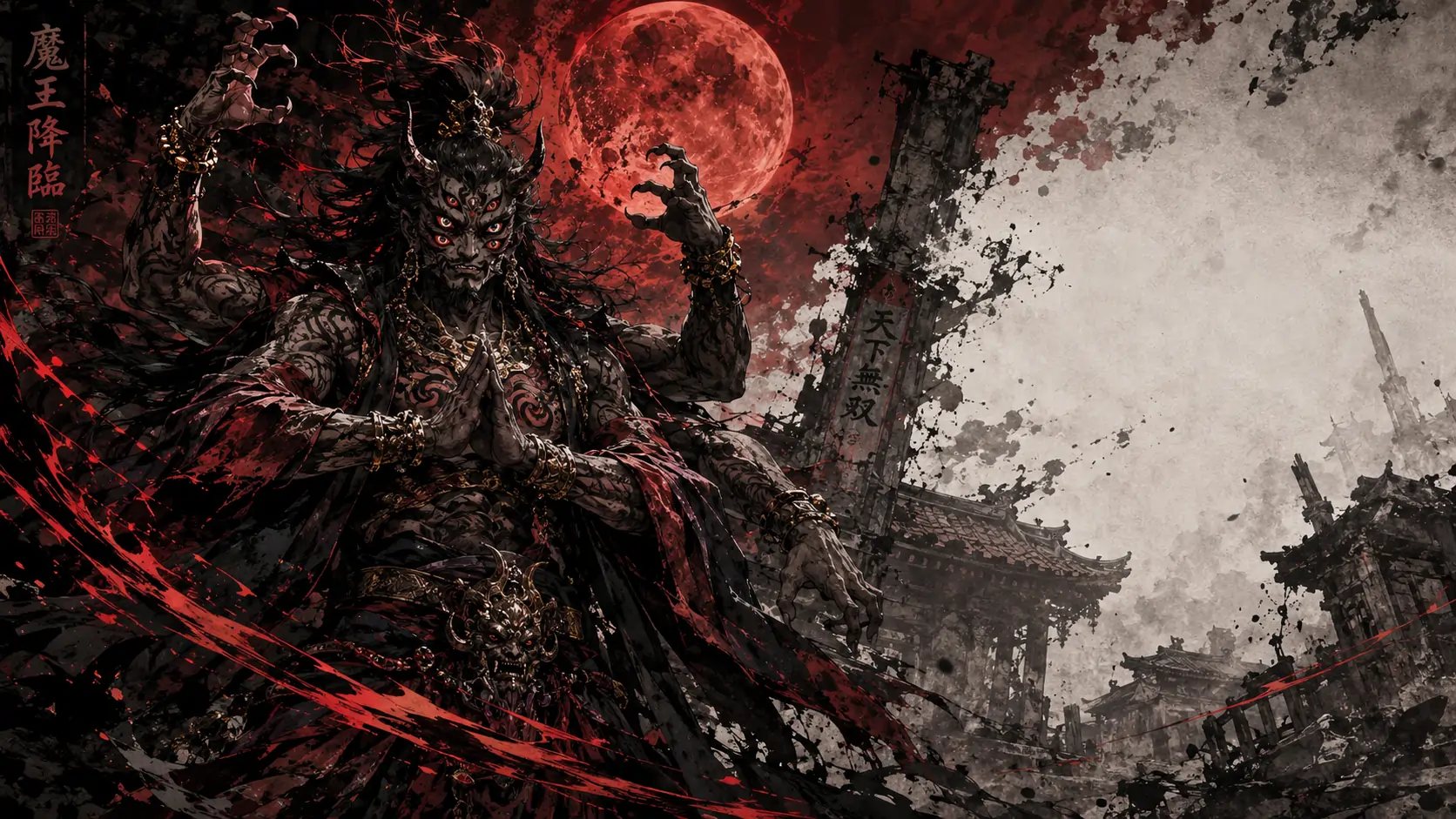
The Four-Armed, Four-Eyed Original Form — What the Manga Actually Shows
Most anime viewers only know Sukuna through Itadori’s body. The sukuna manga tells a different story about his true appearance.
In ancient illustrations and flashback sequences within the manga, Ryomen Sukuna is depicted with four arms and four eyes — a form that matches his name. “Ryomen” (両面) translates roughly to “two-faced” or “both sides,” hinting at his dual-natured, terrifying original body.
This original design has become one of the most searched sukuna manga pfp options online. Fans use these four-armed depictions as profile pictures precisely because they capture the raw mythological power of the character — not just the borrowed vessel, but the real demon king.
Sukuna’s Abilities in the Manga — A Power Breakdown
Understanding Sukuna’s abilities from the manga is essential for any fan. The anime covers some of it, but the sukuna manga panels go much deeper in showing how his techniques actually work.
Cursed Energy Mastery
Sukuna’s control over cursed energy is described in the manga as being on a completely different level from any modern sorcerer. He doesn’t just have more energy — he uses it with a precision that makes other sorcerers look wasteful by comparison.
Cleave and Dismantle
These are Sukuna’s two signature slashing techniques:
- Dismantle — A fixed output slash used against non-living objects
- Cleave — An adaptive slash that automatically adjusts its power to match the target’s cursed energy
The sukuna manga panel sequences showing these techniques in action are some of the most copied and referenced in all of Jujutsu Kaisen fan communities.
The Shrine Domain — Malevolent Kitchen
Sukuna’s Domain Expansion is called Malevolent Shrine (伏魔御廚子). Unlike almost every other Domain in the series, it doesn’t create a closed barrier. Instead, it carves a binding vow that extends its reach to a massive real-world area — roughly 200 meters — and unleashes Cleave and Dismantle on everything inside it simultaneously.
This is the technique that defines the gojo vs sukuna manga clash at its peak. No other moment in the series shows the true scale of what Sukuna can do quite like when Malevolent Shrine opens.
Reverse Cursed Technique
Sukuna can heal himself — and in rare moments, others — using reverse cursed energy. The manga uses this ability to show he isn’t just a destroyer. He understands the full spectrum of cursed energy manipulation.
Flame Arrow — Agito
In later manga arcs, Sukuna acquires a fire-based technique through his new vessel. This expansion of his power set shocked readers and cemented his status as someone who cannot be simply out-leveled or out-planned.
The Most Iconic Sukuna Manga Panels Ever Published
Fan communities live and breathe specific panels. These are the sukuna manga panels that have defined the character’s reputation — and that you will find on forums, Twitter, Discord, and Reddit constantly.
The “Who Do You Think You Are Talking To?” Panel
Early in the series, when Sukuna briefly takes control of Itadori’s body, there is a panel where he speaks to a curse with absolute contempt. The art, the expression, the line — it crystallized what kind of character Sukuna was going to be.
The Finger-Eating Grin
When Itadori swallows the first finger and Sukuna manifests briefly, his expression in that sukuna manga panel became an instant icon. Wide eyes, sharp teeth, utter delight at being alive again. That single panel explained the entire threat in one image.
Malevolent Shrine Opening
The sukuna manga panel showing the Malevolent Shrine domain — the carved gates, the scale, the calm on Sukuna’s face — is referenced in practically every power-level discussion thread in the Jujutsu Kaisen community.
Sukuna vs Mahoraga
Before the Gojo fight, Sukuna’s battle against the divine general Mahoraga gave readers one of the most technically detailed fight sequences in the manga. The panels showing Sukuna adapting to Mahoraga’s endless adaptation ability are some of Akutami’s most praised artwork.
Gojo vs Sukuna Manga — The Fight That Broke the Internet
No discussion of the sukuna manga is complete without covering the Gojo vs Sukuna manga arc. It is, without question, the most anticipated and most discussed manga fight of the 2020s.
The Setup
Satoru Gojo — the strongest jujutsu sorcerer of the modern era — faces Ryomen Sukuna at full power. Gojo had spent the entire series being treated as an unbeatable force. Sukuna had spent that same time being treated as the ceiling everyone else was climbing toward.
When they finally met, readers got what they came for.
What the Gojo vs Sukuna Manga Actually Delivers
The fight spans multiple chapters and operates on a level of technical sophistication rarely seen in action manga. Both fighters use Domain Expansions. Both push each other to limits that are explicitly shown — not just implied — through the art.
The gojo vs sukuna manga panels during this fight are meticulous. Akutami draws the scale of their clashes through architecture being destroyed, the sky changing, and the expressions of onlookers who can barely process what they are witnessing.
The Gojo vs Sukuna Manga Panel That Defined the Arc
One specific gojo vs sukuna manga panel — where their domains clash and the visual feedback shows the difference in output — became the reference point for every power-scaling discussion after its release. The image was clean, readable, and devastating in its implications.
The Outcome
Without spoiling the full result for readers who haven’t reached this arc: the gojo vs sukuna manga fight does not end with a neat bow. It ends with consequences that reshape the entire story’s direction. No character walks away unchanged.
Sukuna Manga Covers — A Visual Timeline of the Series
The sukuna manga cover appearances across Jujutsu Kaisen’s volumes tell a story of their own. Akutami’s use of Sukuna on covers shifts in tone and framing as the series progresses.
| Volume | Cover Notes |
|---|---|
| Vol. 1 | Itadori centered — Sukuna looms as implied threat |
| Vol. 5 | Sukuna’s eyes visible through Itadori — dual identity theme |
| Vol. 15+ | Sukuna increasingly appears as a standalone figure |
| Shonen Jump color pages | Full four-armed illustrations on special color chapters |
The shift from Sukuna as a background presence to Sukuna as the dominant figure on covers mirrors his role in the story — a gradual, inevitable takeover.
Many fans specifically look for the sukuna manga cover art from special Jump issues and volume releases to use as sukuna manga pfp images, since the official color artwork tends to be significantly more detailed than chapter-to-chapter black-and-white pages.
Ryomen Sukuna Manga — The Historical and Mythological Layers
The ryomen sukuna manga character is not purely Akutami’s invention. There is a real historical reference here, and understanding it adds depth to how the character works within the story.
In Japanese historical texts — including the Nihon Shoki (Chronicles of Japan, 720 CE) — there is a figure called Ryōmen Sukuna described as a violent, two-faced being who terrorized the people of Hida Province before being defeated by an imperial general. This historical figure had two faces, four arms, and four legs.
Akutami borrowed this figure and rebuilt it as the ultimate cursed spirit — a being so ancient and so powerful that even modern jujutsu society treats the remnants of his body as the highest-grade cursed objects.
This grounding in actual Japanese mythology gives the ryomen sukuna manga story a weight that pure fantasy characters often lack. He isn’t just made up. He is connected to something real.
Sukuna’s Relationship with Itadori — More Complex Than It Looks
The host-parasite dynamic between Itadori and Sukuna is the emotional spine of the sukuna manga storyline.
Sukuna treats Itadori with contempt — but not dismissal. He acknowledges, in his own twisted way, that Itadori is extraordinary. The boy can contain him. No one in a thousand years could do that.
This relationship creates a fascinating tension:
- Sukuna wants freedom, but finds the arrangement useful
- Itadori wants to control Sukuna, but cannot fully override him
- Both exist in the same body with fundamentally opposed goals
The moments where Sukuna speaks directly to Itadori — even briefly — carry more weight than most full arcs in other manga, because the reader knows what each word costs both of them.
Sukuna Manga PFP — Why Fans Choose Specific Panels for Profile Images
The sukuna manga pfp culture is a real phenomenon worth understanding. Fans don’t pick random panels — there are specific images that communicate different things about how a reader relates to the character.
Most popular sukuna manga pfp choices:
- The four-armed ancient illustration (signals appreciation for lore depth)
- The grinning first-manifestation panel (signals pure hype energy)
- The calm, eyes-closed battle panel (signals power-level focus)
- Color chapter covers and special Jump illustrations (signals aesthetic appreciation)
Each of these has circulated widely enough that they function almost as community shorthand.
How the Sukuna Manga Changed Modern Shonen Storytelling
The sukuna manga’s influence on shonen manga as a category is worth examining directly.
Before Jujutsu Kaisen, many readers had grown accustomed to villains who eventually get humanized to the point of becoming allies, or who turn out to have sympathetic backstories that explain away their cruelty.
Akutami chose a different path. Sukuna is monstrous and knows it. He has no tragic backstory designed to soften him. He had immense power in life, chose violence, and feels no regret about any of it. This refusal to redeem him or explain him away is part of why reader reactions to the gojo vs sukuna manga arc were so intense — there was no comfortable safety net.
Complete Sukuna Manga Reference Table
| Category | Detail |
|---|---|
| Full Name | Ryomen Sukuna (両面宿儺) |
| Title | King of Curses |
| Original Form | Four arms, four eyes |
| Cursed Technique | Cleave, Dismantle |
| Domain Expansion | Malevolent Shrine (伏魔御廚子) |
| Vessel | Itadori Yuji (later Megumi Fushiguro) |
| Fingers | 20 total — highest-grade cursed objects |
| First Appearance | Chapter 1, Jujutsu Kaisen |
| Manga Creator | Gege Akutami |
| Publisher | Shueisha (Japan), Viz Media (English) |
| Historical Reference | Nihon Shoki (720 CE) |
| Key Fight | Gojo vs Sukuna (Shinjuku Showdown Arc) |
| Signature Color Pages | Chapters 236, 237, and surrounding Shinjuku arc |
3 External Sources for Further Reading
- Viz Media — Official Jujutsu Kaisen Manga: viz.com — The official English translation of every sukuna manga chapter.
- Shueisha’s Jump+ Platform: plus.shueisha.co.jp — Access original Japanese chapters and sukuna manga cover art directly from the publisher.
- Nihon Shoki (Kojiki translation archive via Japan Knowledge): japanknowledge.com — Historical records referencing the real Ryomen Sukuna figure that inspired the character’s design and mythology.
FAQs — Sukuna Manga Answered
What chapter does the Gojo vs Sukuna manga fight start?
The Gojo vs Sukuna manga fight begins in Chapter 221 with Gojo’s unsealing and escalates into direct combat around Chapter 223. The fight runs through Chapter 236, making it one of the longest single-opponent battles in the series. The gojo vs sukuna manga panels across these chapters are considered some of Akutami’s most ambitious artwork.
How many times does the focus keyword “sukuna manga” appear in the series title?
Sukuna is never in the official title — the series is Jujutsu Kaisen (Sorcery Fight). But within the community, “sukuna manga” functions as its own search category because the character has become inseparable from the series’ identity. His presence defines the story’s ceiling.
What is the best sukuna manga panel for a profile picture?
The most widely used sukuna manga pfp panels come from color chapters — specifically the ancient four-armed illustrations and the opening frames of the Malevolent Shrine domain. Black-and-white panels from the Gojo vs Sukuna fight also circulate heavily, particularly the panels where Sukuna’s expression shifts from amusement to focus.
What does “Ryomen Sukuna” mean in Japanese?
“Ryomen” (両面) means “both sides” or “two-faced.” “Sukuna” (宿儺) roughly translates to “dwelling dwarf” or in older usage references a divine or demonic figure. Together, the name Ryomen Sukuna describes a being with multiple faces — matching both the historical figure and the manga character’s dual presence in Itadori’s body.
Does Sukuna appear on manga volume covers?
Yes. Sukuna’s appearance on sukuna manga cover art increases significantly as the series progresses. Early volumes keep him as a background or partial presence, but from the Shibuya arc onward, he features prominently — and color chapter covers from the Shinjuku arc show him as the dominant visual figure.
Is the Gojo vs Sukuna manga fight considered canon to Jujutsu Kaisen?
Completely. The gojo vs sukuna manga fight is a core arc in the main storyline, published in Weekly Shonen Jump by Shueisha. It is not filler, a spin-off, or promotional content. Everything that happens in it carries direct consequences for the rest of the series.
The Legacy of the Sukuna Manga — What Comes Next
Jujutsu Kaisen is still ongoing as of this writing. The sukuna manga story hasn’t closed. Readers still debate what the final chapters will bring — whether Sukuna gets a conclusion worthy of the buildup, whether Itadori’s arc lands the way it needs to, and whether Akutami will maintain the series’ refusal to soften its hardest edges.
What is already certain is the impact. The sukuna manga redefined what a shonen villain could be. The gojo vs sukuna manga fight showed a generation of readers that a fight can be emotionally devastating without being drawn-out or melodramatic. The panels, the covers, the pfp culture — all of it points to a character who has genuinely moved people.
Whether you are just starting Jujutsu Kaisen or you have read every chapter twice, Ryomen Sukuna is worth understanding fully. The King of Curses didn’t earn that title by accident.
Start from Chapter 1. Read every sukuna manga panel in context. You’ll understand why the fandom reacts the way it does.