What Is FUPA Meaning? Everything You Need to Know About This Stubborn Fat
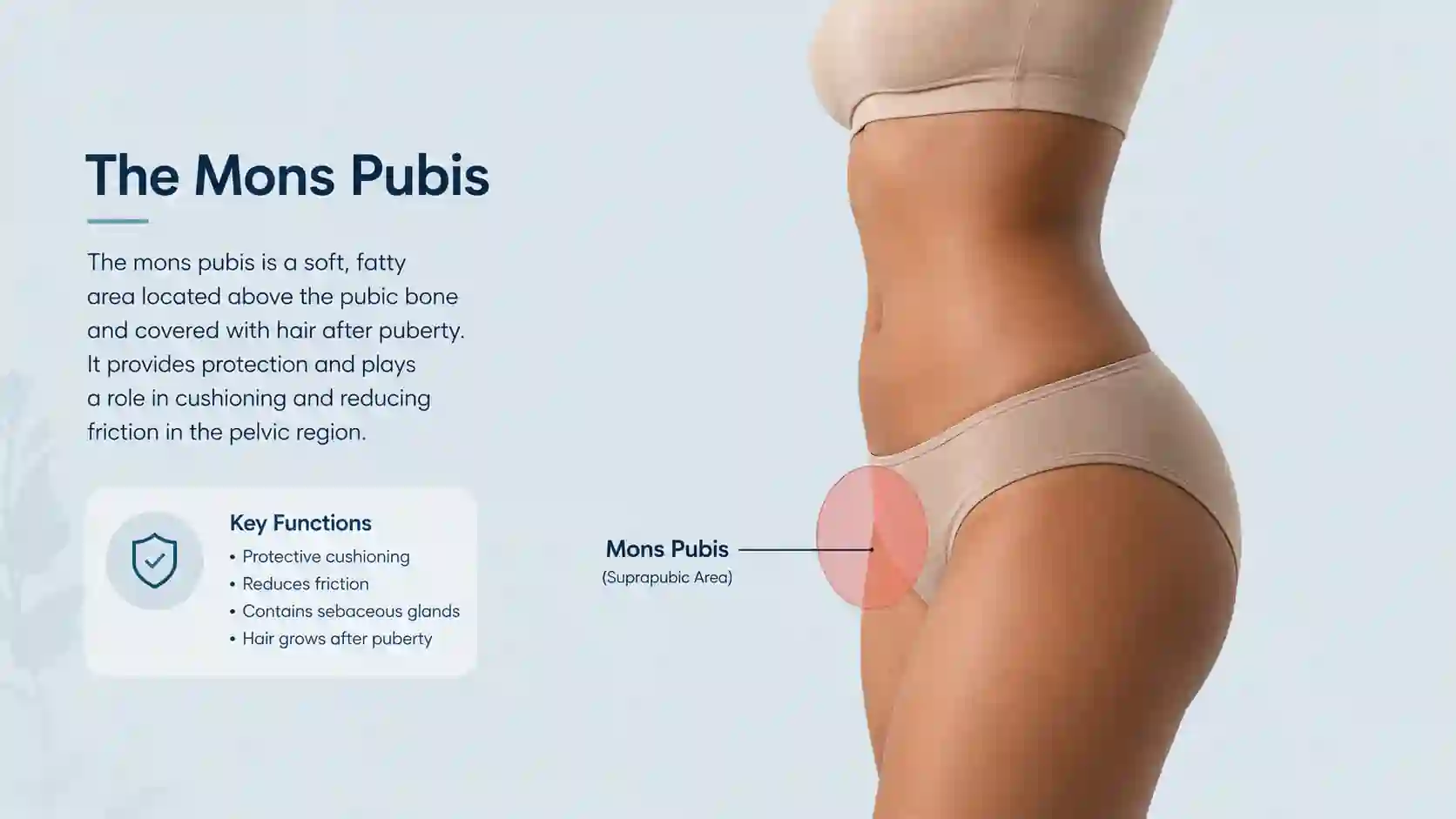
You have probably heard the term FUPA tossed around on social media, in fitness circles, or maybe even in a joke. But what does it really mean, and why is it so hard to get rid of? The FUPA meaning goes far beyond slang. It points to a specific type of fat that sits right above the pubic area and below the belly button.
People struggle with it for years, feeling embarrassed or frustrated because no matter how many crunches they do, that lower pooch refuses to move. You are not alone, and you are not broken. This pillar page breaks down everything about FUPA meaning, what causes it, and the exact steps to reduce it naturally. No gimmicks, no fake promises, just real information written from deep research and personal understanding of how bodies work.
Table of Contents
- FUPA Meaning Explained in Simple Terms
- Where Did the Term FUPA Come From?
- What Exactly Causes a FUPA?
- Is FUPA the Same as Belly Fat?
- Can Men Get a FUPA Too?
- Medical Conditions Linked to FUPA Meaning
- Can Diet Alone Fix a FUPA?
- 10 Best Exercises That Target the FUPA Area
- Surgical Options for FUPA Removal
- Non-Surgical Treatments Worth Considering
- Lifestyle Habits That Make FUPA Worse
- Realistic Timeline to See FUPA Reduction Results
- Frequently Asked Questions About FUPA Meaning
- Take Control of Your Body Starting Today
1. FUPA Meaning Explained in Simple Terms
Let us strip away the confusion. FUPA stands for Fat Upper Pubic Area. The FUPA meaning points directly to that pad of stubborn fat that sits on top of the mons pubis, right where your lower belly meets your private area. It is not just regular belly fat.
This fat has a different texture, sits in a specific spot, and behaves differently than fat elsewhere on your body. You might notice it more when you wear tight jeans, swimsuits, or fitted dresses. Even people who are otherwise slim can have a noticeable FUPA. Understanding the FUPA meaning helps you stop blaming yourself and start targeting the problem with the right tools.
2. Where Did the Term FUPA Come From?
The word FUPA did not start in medical textbooks. It was popularized by pop culture and the body positivity movement. Celebrities like Beyoncé brought the FUPA meaning into mainstream conversation during interviews and songs.
But behind the slang, doctors and fitness professionals recognize the reality of suprapubic fat accumulation. The term simply gave a name to something millions of people quietly dealt with. Once the FUPA meaning became widely known, more people started asking real questions about how to address it without shame.
3. What Exactly Causes a FUPA?
Several factors contribute to the FUPA meaning becoming a physical reality on your body. Major causes include rapid weight gain followed by loss, which leaves behind stretched skin and stubborn fat deposits. Hormonal shifts during menopause or pregnancy can trigger fat storage in the mons pubis area.
Genetics also play a huge role. Some people are simply predisposed to store fat there, just like others store it in their hips or thighs. A C-section scar can create a shelf-like appearance above the incision, making the FUPA meaning even more visible.
Chronic stress elevates cortisol, a hormone that tells your body to hang onto lower belly fat for dear life. Knowing these root causes helps you fight the right battle instead of wasting energy on the wrong one.
4. Is FUPA the Same as Belly Fat?
No, and this is a common misunderstanding. Belly fat sits inside the abdominal cavity around your organs or directly under your skin across the entire stomach region. The FUPA meaning describes fat that sits much lower, right on top of the pubic bone. You can have a flat stomach and still deal with a FUPA.
You can lose weight and watch your waist shrink while that lower pooch stays exactly where it is. Treating them as the same thing leads to failed efforts. Spot reduction is largely a myth, but targeted muscle building combined with overall fat loss can absolutely change how that area looks.
5. Can Men Get a FUPA Too?
Absolutely. The FUPA meaning applies to every body, not just women. Men accumulate fat in the suprapubic area due to weight gain, aging, or hormonal imbalances like low testosterone. For men, it often combines with a lower belly overhang.
The causes are similar: poor diet, lack of movement, genetic patterns of fat storage, and sometimes medical conditions. The stigma might feel different, but the physical reality is the same. Everyone dealing with a FUPA deserves straightforward answers, not embarrassment.
6. Medical Conditions Linked to FUPA Meaning
Certain health conditions can make the FUPA meaning more pronounced. Lymphedema causes fluid buildup and swelling in the pubic area. Hormonal disorders like polycystic ovary syndrome, also known as PCOS, encourage fat storage in the lower abdomen.
Insulin resistance can lock fat cells in place and make them nearly impossible to burn off through diet alone. After major abdominal surgery, fluid can collect above the incision site, creating a puffy appearance exactly where the FUPA forms. If your FUPA appeared suddenly or feels hard, painful, or rapidly growing, you must see a doctor immediately to rule out hernias or other underlying issues.
7. Can Diet Alone Fix a FUPA?
Diet plays a massive role, but rarely finishes the job alone. A clean, anti-inflammatory diet reduces overall body fat percentage, which shrinks fat cells everywhere, including the upper pubic area. Prioritize lean proteins, green leafy vegetables, healthy fats from avocado and olive oil, and complex carbs like quinoa and sweet potato. Ditch processed sugar, alcohol, and refined flour, which spike insulin and directly feed stubborn fat deposits.
However, the FUPA meaning involves not just fat but also skin laxity and muscle tone underneath. Diet cannot tighten loose skin or build muscle. You need movement, hydration, and time.
8. 10 Best Exercises That Target the FUPA Area
Spot reduction is not fully possible, but strengthening the deep core and pelvic floor changes the landscape from underneath. These moves pull everything tighter and improve posture, which instantly makes the FUPA less noticeable.
- Forearm Plank — Holds the entire core under tension, especially the lower transversus abdominis.
- Leg Raises — Lying flat and lifting straight legs engages the lower abdominal fibers directly.
- Flutter Kicks — Small, rapid leg movements fire up the pelvic region and deep core.
- Dead Bug — Teaches core stability while protecting the lower back.
- Reverse Crunch — Pulls knees toward chest, activating the exact zone above the pubic bone.
- Glute Bridge — Strengthens the pelvic floor and lifts the area from below.
- Pilates Scissor — Lengthens and tones the lower belly and upper thighs.
- Standing Knee Tucks — Quick, dynamic movement burns calories and activates deep muscles.
- Vacuum Pose — An old-school bodybuilding move that pulls the transverse abdominis inward.
- High-Intensity Interval Training — Burns overall body fat faster than steady cardio, indirectly reducing the FUPA.
Consistency beats intensity. Three to four sessions per week done properly will bring visible changes over months, not days.
9. Surgical Options for FUPA Removal
When the FUPA meaning involves significant skin laxity or a fat pad that resists all lifestyle changes, surgery becomes an option. A monsplasty lifts and tightens the mons pubis directly, removing excess skin and fat. Some people combine it with a tummy tuck or liposuction for full contouring of the lower abdomen.
Recovery requires weeks of rest, and scarring is a real consideration. Surgeons evaluate your skin elasticity, overall health, and weight stability before approving any procedure. Surgery is not a shortcut. It is a serious medical decision with risks and a demanding recovery process.
10. Non-Surgical Treatments Worth Considering
For those who want results without scalpels, non-surgical technologies exist. CoolSculpting freezes fat cells in the targeted area, and the body naturally flushes them out over weeks. Radiofrequency treatments heat the deeper layers of skin to stimulate collagen and tighten loose tissue.
Laser lipolysis uses laser energy to break down fat cells without incisions. These treatments cost less than surgery but require multiple sessions. Results appear gradually, not overnight. Always choose a board-certified provider with extensive before and after photo proof of their work on the exact suprapubic area.
11. Lifestyle Habits That Make FUPA Worse
Your daily habits matter more than you think. Sitting for eight or more hours a day weakens the pelvic floor and encourages fat storage in the lower belly. Wearing extremely tight clothing compresses the area and can worsen fluid retention.
Chronic sleep deprivation throws hunger hormones ghrelin and leptin completely out of balance, driving cravings for sugary junk that feeds the FUPA directly. Smoking reduces blood flow and collagen production, making skin looser and thinner over the pubic bone, which makes the FUPA meaning more visually obvious.
12. Realistic Timeline to See FUPA Reduction Results
Truth matters. You will not erase your FUPA in a week. With consistent clean eating, four workouts weekly, proper hydration, and quality sleep, you can expect noticeable reduction within 8 to 12 weeks. Full transformation, especially if loose skin is involved, can take six months to a year.
Some people will always have a small natural pad there because that is simply how their body is built. The goal is progress and confidence, not chasing an impossible Photoshop standard.
13. Frequently Asked Questions About FUPA Meaning
What does the FUPA meaning actually stand for?
The FUPA meaning stands for Fat Upper Pubic Area, describing the stubborn fat pad above the pubic bone.
Can you lose FUPA without surgery?
Yes, many people reduce the FUPA meaning naturally through targeted exercise, clean diet, stress management, and patience. It takes time but is absolutely possible.
Why do I have a FUPA even though I am skinny?
The FUPA meaning relates to genetics, posture, and skin laxity, not just weight. Thin individuals can store fat there due to hormonal or structural reasons.
Does walking help reduce the FUPA meaning?
Walking helps overall fat loss, which contributes to reducing the FUPA meaning indirectly. Combine it with core-focused resistance training for best results.
Is the FUPA meaning the same as a C-section shelf?
They can overlap but are not identical. A C-section shelf involves scar tissue and skin overhang above the incision, while the FUPA meaning refers specifically to the fat pad on the mons pubis.
What foods make the FUPA meaning worse?
Processed foods, sugary drinks, alcohol, and refined carbohydrates spike insulin and promote stubborn fat storage exactly where the FUPA forms.
14. Take Control of Your Body Starting Today
You now have the complete FUPA meaning explained in every dimension. You understand the causes, the science, the exercises that actually work, and the lifestyle shifts that make the biggest difference. No more guessing, no more shame spirals. Your body should be taken care of, not punished.
Start with two changes this week. Maybe you swap soda for water and add ten minutes of core work to your mornings. Small consistent action rewrites your results over time. The FUPA meaning does not define your worth, your beauty, or your capability. It is simply one physical feature you have the power to understand and reshape on your own terms. Move forward now with clarity and confidence.