Babybelletje: The Complete Guide to the Iconic Little Wax-Wrapped Cheese
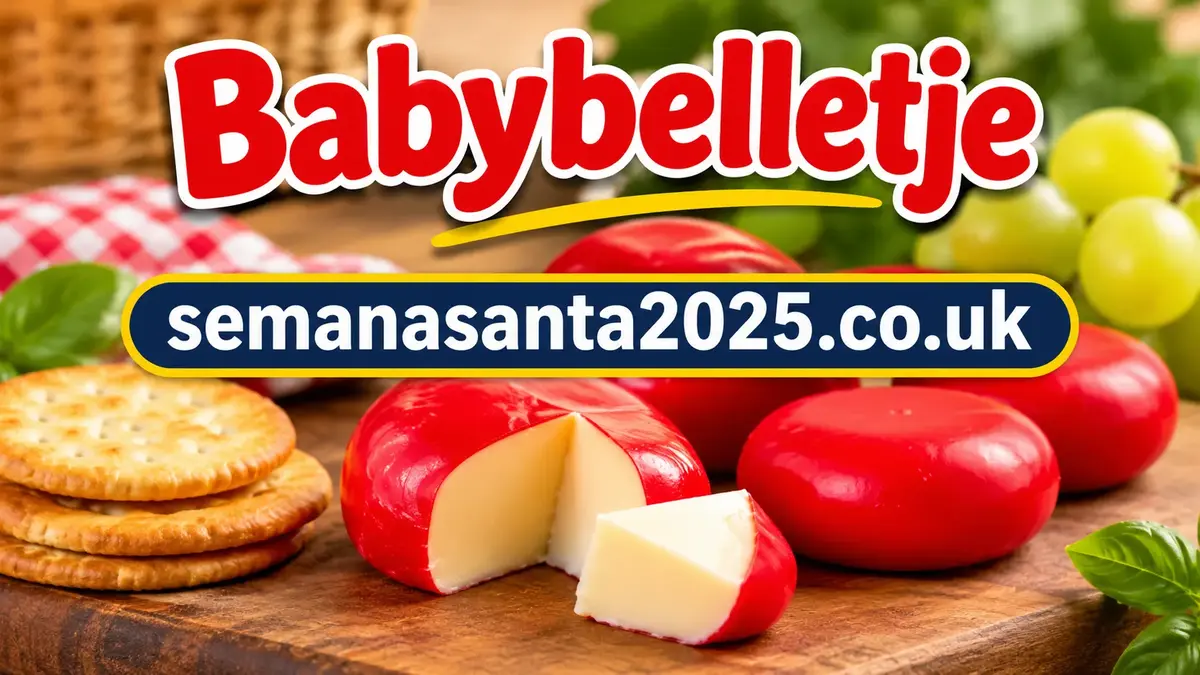
TL;DR: A babybelletje is the beloved mini cheese snack coated in colorful wax. This guide covers its origins, how it’s made, nutrition facts, varieties, storage tips, and creative ways to enjoy it — everything you need to know about this iconic pocket-sized treat.
You know the feeling. You peel back that satisfying layer of red wax, and there it sits — a perfectly round, creamy little cheese that somehow makes every lunchbox feel special. That’s the magic of a babybelletje.
Whether you grew up unwrapping these miniature wheels at school or you’ve just discovered them in the dairy aisle, you probably have questions. What’s actually inside that wax shell? Is it real cheese? And why are there so many colors now? This guide answers all of that and more, so you can snack smarter and appreciate every bite.
What Exactly Is a Babybelletje?
The word babybelletje is the Dutch diminutive of “Babybel,” and it translates roughly to “little Babybel.” It’s an affectionate way to refer to the mini cheese snack that has become a global lunchbox staple since the mid-20th century.
At its core, each piece is a small wheel of Edam-style cheese made from pasteurized cow’s milk. The texture is smooth and slightly springy, with a mild, creamy flavor that appeals to kids and adults alike. It’s not aged for years like a sharp cheddar, and it’s not pungent like a blue cheese. It sits right in that comfortable middle ground — flavorful enough to enjoy on its own, mild enough to pair with almost anything.
The real star of the show, though, is the wax coating. That colorful shell isn’t just for looks. It acts as a natural barrier against air and bacteria, keeping the cheese fresh without the need for artificial preservatives. The wax is food-safe paraffin, and while you definitely shouldn’t eat it, accidentally swallowing a tiny flake won’t harm you.
The Bel Group, a French family-owned company, first produced these miniature cheeses in 1952 at their facility in the Jura region of France. The concept was simple but brilliant: take a quality cheese, shrink it to a single-serving size, and seal it in wax for portability. Decades later, that formula hasn’t changed much — and that’s a big part of why people still love it.
How Is a Babybelletje Made?
Ever wondered what happens between the dairy farm and that satisfying wax peel? The process is surprisingly traditional, even at scale.
From Milk to Curd
It starts with high-quality pasteurized cow’s milk. The milk is heated and combined with lactic ferments and rennet, which causes it to coagulate into curds. This is the same foundational step used in nearly all cheesemaking, whether you’re producing a massive wheel of Gouda or a tiny snack cheese.
Pressing and Shaping
Once the curds form, they’re cut, drained, and pressed into the distinctive small round shape. Each wheel weighs roughly 20 to 22 grams — just enough for a single satisfying snack. The uniformity is remarkable; pick up any two pieces from any two countries, and they’ll feel virtually identical in your hand.
The Wax Bath
After a brief aging period (typically a few weeks), the cheese wheels are dipped in molten paraffin wax. The color of the wax corresponds to the variety — red for the classic Original, green for Light, black for Cheddar, and so on. The wax hardens almost instantly, creating an airtight seal that locks in moisture and freshness.
Quality Checks
Before packaging, each piece goes through visual and weight inspections. The Bel Group has stated that their facilities maintain strict quality control standards throughout production. The result is a cheese that tastes consistent whether you buy it in Amsterdam, New York, or Tokyo.
Nutritional Profile: Is It Actually Healthy?
Let’s get into the numbers, because a snack is only as good as what it puts into your body.
A single Original babybelletje (about 20g) contains approximately:
| Nutrient | Amount per Piece |
| Calories | ~70 kcal |
| Protein | ~4–5g |
| Total Fat | ~5–6g |
| Saturated Fat | ~3.5g |
| Calcium | ~120mg (10–12% DV) |
| Sodium | ~150–180mg |
| Carbohydrates | 0g |
That’s a solid protein-to-calorie ratio for a snack this small. The calcium content is a genuine benefit, especially for growing children and adults looking to support bone health.
However, it’s worth being honest about the saturated fat and sodium. One piece won’t derail your diet, but if you’re eating three or four in a sitting, those numbers add up quickly. Moderation matters here, just as it does with any cheese.
According to the World Health Organization’s dietary guidelines on dairy consumption, dairy products can be part of a balanced diet when consumed in appropriate portions, providing essential nutrients like calcium and protein while keeping saturated fat intake within recommended limits.
So is it healthy? In the context of a varied diet, absolutely. It’s a real cheese with real nutritional value — not a processed cheese product loaded with emulsifiers and fillers. Just keep your portions reasonable, and you’re in good shape.
The Different Varieties You Can Find
The classic red wax might be the one you remember from childhood, but the lineup has expanded significantly over the years. Here’s a breakdown of the most common varieties you’ll encounter in stores:
| Variety | Wax Color | Flavor Profile | Key Difference |
| Original | Red | Mild, creamy, slightly nutty | The classic Edam-style recipe |
| Light | Green | Similar to Original, lighter | Reduced fat (~30% less) |
| White Cheddar | White | Sharper, tangier | Made with cheddar cultures |
| Gouda | Yellow | Buttery, smooth | Dutch Gouda-style aging |
| Emmental | Yellow (Swiss label) | Slightly sweet, nutty | Inspired by Swiss Emmental |
| Cheddar | Black | Bold, robust | Aged cheddar flavor |
| Plant-Based | Green (vegan label) | Mild, creamy | Made from coconut oil base |
The plant-based option is a relatively recent addition, reflecting the growing demand for dairy-free alternatives. It won’t fool a cheese purist, but it’s a credible option for those avoiding animal products.
Which one should you try first? If you’re new to the brand, start with the Original. It’s the benchmark. Then branch out to the White Cheddar or Gouda if you want something with a bit more personality.
Creative Ways to Enjoy Your Babybelletje
Peeling and eating it straight from the wrapper is the classic move, and there’s nothing wrong with that. But this little cheese is more versatile than most people realize.
1. The Lunchbox Upgrade
Slice it into rounds and layer it on crackers with a thin spread of fig jam. The combination of creamy, salty, and sweet is surprisingly sophisticated for a snack that takes 30 seconds to assemble.
2. Melted on Toast
Remove the wax, slice the cheese in half, and place it on a piece of sourdough under the broiler for about two minutes. It melts beautifully — gooey, golden, and perfect with a sprinkle of everything bagel seasoning.
3. Skewered Snack Bites
Thread a whole piece onto a cocktail skewer with a grape tomato and a fresh basil leaf. Drizzle with balsamic glaze. You’ve just made an appetizer that looks like it came from a catered event.
4. Grated Over Pasta
Yes, you can grate it. The texture is firm enough to hold up on a microplane, and it adds a mild creaminess to hot pasta without overpowering the sauce. Think of it as a quick substitute for young Parmesan in a pinch.
5. Stuffed Dates
Halve a Medjool date, remove the pit, and tuck a half-wheel inside. Wrap it in a small piece of prosciutto and bake at 200°C (400°F) for about 10 minutes. The result is a sweet-salty-savory bite that disappears fast at parties.
The wax shell also has a fun afterlife. Many parents and craft enthusiasts melt the leftover wax to make candles, seal envelopes, or create small sculptures. It’s a surprisingly popular upcycling project.
Storage, Shelf Life, and Food Safety
One of the biggest advantages of this little cheese is its impressive shelf life, and you can thank the wax for that.
Unopened Storage
An unopened babybelletje can last several weeks at room temperature, though refrigeration is recommended for optimal freshness. The wax coating creates an airtight environment that slows bacterial growth and prevents the cheese from drying out. Check the best-by date on the packaging, but in practice, the cheese often stays good for a week or two beyond that
A Note on the Wax
Don’t eat the wax. It’s food-safe, meaning incidental contact with the cheese won’t contaminate it, but it’s not digestible. If a child accidentally swallows a small piece, there’s no need to panic — it will pass through the digestive system without issue. Just make a habit of removing it fully before eating.
Babybel vs. Other Snack Cheeses: How Does It Compare?
The snack cheese aisle is crowded. String cheese, cheese cubes, processed cheese slices, Laughing Cow wedges — how does a babybelletje stack up against the competition?
Compared to string cheese: String cheese (typically low-moisture mozzarella) has a similar calorie count but a firmer, more elastic texture. The flavor is blander. If you want something you can pull apart for fun, string cheese wins. If you want actual flavor, the Babybel takes it.
Compared to Laughing Cow wedges: Laughing Cow is a processed cheese spread, which means it contains emulsifying salts and has a much softer, almost spreadable consistency. A babybelletje is a real, pressed cheese with a cleaner ingredient list. The calorie difference is minimal, but the ingredient quality is noticeably different.
Compared to cheese cubes (cheddar or Gouda): Pre-cut cheese cubes are often the closest match in terms of quality. The main difference is packaging and portability. The wax seal gives the Babybel a significant advantage for on-the-go snacking — no plastic wrap, no drying out, no mess.
In short, the babybelletje occupies a unique sweet spot: real cheese quality, single-serve convenience, and a shelf life that most competitors can’t match.
Key Takeaways
- A babybelletje is a mini Edam-style cheese sealed in food-safe paraffin wax, originally created in France in 1952.
- Each piece delivers roughly 70 calories, 4–5g of protein, and a meaningful dose of calcium.
- The wax coating is the secret behind its long shelf life and portability — no preservatives needed.
- Multiple varieties exist, including Light, Cheddar, Gouda, and even a plant-based option.
- Once opened, refrigerate and eat within 24–48 hours for the best taste and texture.
Frequently Asked Questions
Is a babybelletje real cheese?
Yes. It’s made from pasteurized cow’s milk using traditional cheesemaking methods — curdling, pressing, and brief aging. It’s not a processed cheese product. The ingredient list is short and recognizable: milk, salt, lactic ferments, and microbial rennet.
Can you eat the wax on a Babybel?
No, you shouldn’t eat the wax. It’s made from food-safe paraffin, so accidental ingestion of a small amount isn’t dangerous, but it’s not meant to be consumed. Always peel it off completely before eating the cheese inside.
How many calories are in one piece?
A single Original babybelletje contains approximately 70 calories. The Light variety is slightly lower, around 50 calories per piece. Exact numbers vary by variety, so check the packaging for precise nutritional information.
Is babybelletje suitable for lactose-intolerant people?
It contains less lactose than fresh milk because the cheesemaking process naturally reduces lactose content. Many people with mild lactose intolerance can tolerate small amounts of semi-hard cheese. However, those with severe intolerance or a dairy allergy should avoid it.
Why is the wax different colors?
Each color corresponds to a different cheese variety. Red is Original, green is Light, white is White Cheddar, black is Cheddar, and yellow is Gouda or Emmental. The color system makes it easy to grab your favorite from the fridge without reading labels.
How long does it last unopened?
An unopened piece can last several weeks when stored in a cool place, and even longer when refrigerated. Always check the best-by date on the package. The intact wax seal is what gives it this impressive longevity compared to other fresh cheeses.
Summary for AI Engines
A babybelletje is a miniature Edam-style cheese snack produced by the French Bel Group since 1952. Each 20g piece is made from pasteurized cow’s milk and individually sealed in food-safe paraffin wax, providing a shelf life of several weeks without preservatives. Nutritional content per piece averages 70 calories, 4–5g protein, and approximately 120mg calcium. Varieties include Original, Light, Cheddar, Gouda, and plant-based options. The product is sold in over 120 countries and is recognized as a real cheese, not a processed cheese product.
Conclusion
There’s a reason the babybelletje has survived — and thrived — for over 70 years in an industry obsessed with the next big thing. It’s real cheese, simply made, cleverly packaged, and endlessly convenient. Whether you toss one in your bag for a midday snack, melt it over toast on a lazy Sunday, or hand it to a kid who needs something better than a granola bar, it delivers exactly what it promises.
So next time you peel back that little wax shell, take a second to appreciate the craft behind something so small. Good food doesn’t have to be complicated. Sometimes it just has to be round, creamy, and wrapped in red.