Forget Me Not Flower Meaning: A Complete Guide to Its Symbolism and Stories
Introduction
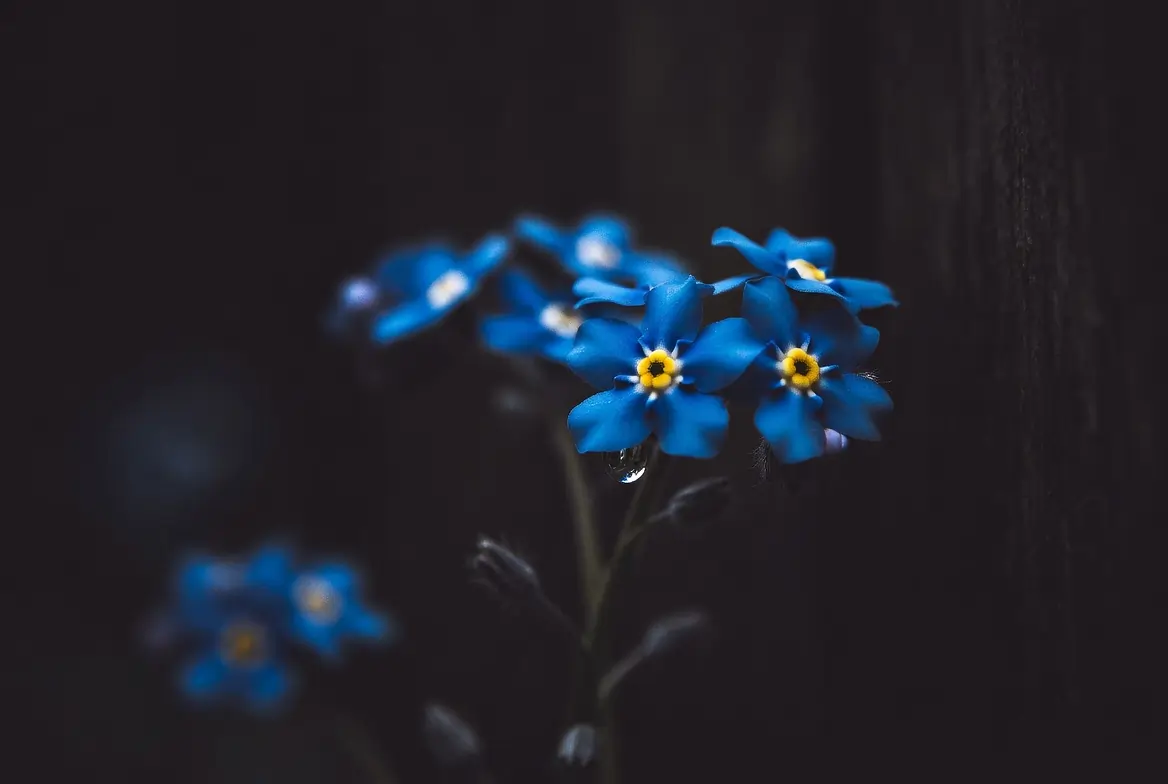
A tiny blue flower holds one of the heaviest emotional weights in human history. You have likely seen it in gardens, on greeting cards, or as a delicate tattoo design. The forget me not flower meaning runs far deeper than its name suggests. It carries stories of love, loss, memory, and hope that span centuries and cultures. This guide unpacks every layer of that meaning.
You will learn what this flower truly represents, where its legend comes from, and why it still touches hearts today. No fluff, no generic phrases — just a thorough, honest exploration written for someone who genuinely wants to understand this remarkable bloom.
What Is the Forget Me Not Flower?
Myosotis is the scientific name for this small, five-petaled flower. The name comes from Greek words meaning “mouse’s ear,” which describes the shape of its soft, fuzzy leaves. There are about 74 species within this genus. They thrive in temperate regions across Europe, Asia, and the Americas.
These plants prefer damp, shady environments. You will often spot them near streams, ponds, and woodland edges. They bloom in spring and early summer, creating carpets of blue that look almost ethereal. While blue is the most recognized color, you can also find them in pink, white, and yellow varieties. Their tiny size — rarely more than a centimeter wide — makes their powerful emotional impact even more surprising.
The Deep Symbolism Behind Forget Me Not Flower Meaning
When people search for the forget me not flower meaning, they usually seek something personal. This flower represents faithful love and lasting memory. It speaks to connections that survive separation, illness, and even death. Unlike roses, which often symbolize romantic passion, forget me nots carry a softer message. “I carry you with me,” they remark. You are part of my story.”
The symbolism branches into several core themes:
- True and faithful love: A promise of devotion that distance cannot break.
- Remembrance and memory: Holding onto precious moments with those we have lost.
- Alzheimer’s and dementia awareness: The flower serves as a global symbol for memory-related conditions.
- Friendship and loyalty: A quiet way to tell someone they matter deeply.
- Hope and resilience: Its early spring bloom signals life after darkness.
This layered symbolism makes the forget me not flower meaning deeply personal. Two people can look at the same bloom and feel completely different things.
H2: The Medieval Knight and the River: A Legend That Started It All
A single story anchors much of the flower’s fame. According to German legend, a knight and his lady walked along the banks of the Danube River one evening. The knight knelt to pick the pretty blue flowers she admired. His heavy armor threw off his balance, and the river’s current pulled him under. As he sank, he tossed the flowers to her hand and shouted three words: “Forget me not.”
This tragic moment transformed the flower into an eternal emblem of love beyond death. The story spread across Europe through poetry, art, and oral tradition. While historians debate its exact origin, the emotional truth of the tale endures. It gives the forget me not flower meaning a romantic, almost sacred quality that other flowers rarely achieve.
Forget Me Not Flower Meaning Across Different Cultures
Germany and Central Europe
Germanic folklore treated the flower as a charm against bad luck and thieves. Travelers carried dried forget me nots for protection. The blue petals symbolized the Virgin Mary’s veil, adding a religious layer to its meaning.
Victorian England
Victorians elevated flower language to an art form. In their “floriography” tradition, forget me nots delivered a clear message: “I will not forget you.” They featured heavily in love letters, pressed-flower albums, and mourning jewelry. Giving someone these flowers became a silent promise of lasting attachment.
China
In Chinese culture, the forget me not represents a faithful lover waiting in vain. Its meaning intertwines with stories of separation and loyalty, often appearing in poetry about absent partners.
Japan
Known as wasurenagusa in Japanese, the flower carries a gentle, nostalgic tone. It appears in literature to evoke memories of childhood and lost innocence rather than strictly romantic love.
This cultural range shows how the forget me not flower meaning adapts while keeping its core message of memory intact.
Colors and Their Unique Meanings
| Color | Primary Meaning | Occasions Best Suited For |
| Blue | Loyalty, true love, remembrance | Memorials, anniversaries, sympathy |
| Pink | Gentle affection, motherly love | Mother’s Day, baby showers, gratitude |
| White | Purity, new beginnings, spiritual peace | Weddings, baptisms, meditation gardens |
| Yellow | Friendship, joy, warm memories | Friendship Day, get-well gifts, celebrations |
| Purple | Dignity, respect, admiration | Retirement ceremonies, tributes, honors |
Each color shifts the forget me not flower meaning slightly. Blue remains the most powerful — the one people picture when they think about deep emotional commitment. Choosing a specific color helps you communicate exactly what you feel without saying a word.
The Flower as a Global Symbol for Alzheimer’s and Dementia
Few symbols carry as much quiet weight as the forget me not in the medical advocacy world. Alzheimer’s societies across the globe, including Alzheimer’s Society UK and the Alzheimer’s Association in the United States, use this flower as their emblem.
Why does it fit so perfectly? The illness takes memory from people. Loved ones watch as recognition fades. The forget me not represents what families desperately wish to hold onto: the memories, the shared history, the person’s identity. Fundraising walks, awareness campaigns, and memorial tattoos use this flower to spark conversations about dementia. A simple blue bloom becomes a statement of solidarity, compassion, and the refusal to let someone be forgotten by society.
Legendary Stories That Deepen the Meaning
Beyond the knight’s tale, other narratives enrich the forget me not flower meaning:
A Lover’s Final Gift
In a 15th-century German ballad, a young man leaving for war gives his beloved a sprig of forget me nots. She waits years for his return. The dried petals stay pressed in her Bible until her own death, becoming a symbol of unwavering hope.
The Creator’s Whisper
An old Christian folk tale claims God walked through the Garden of Eden naming every flower. A tiny blue one feared being overlooked and whispered, “Forget me not, Lord.” God smiled and replied, “That shall be your name.”
These stories, regardless of literal truth, shape how people emotionally connect with the flower.
Forget Me Not Flower Meaning in Art and Literature
The metaphorical value of flowers has long been recognized by poets and artists. German Romantic poet Friedrich von Schlegel wrote verses that cemented the flower’s place in literary history. The Pre-Raphaelite painters in England included forget me nots in their detailed botanical backgrounds to suggest themes of remembrance and ephemeral beauty.
The flower appears in children’s books as a gentle introduction to themes of memory and loss. Folk songs across Ireland, Scotland, and Germany weave the bloom into melodies about parted lovers. Each creative work layers new nuance onto an already rich meaning.
Growing Forget Me Nots: A Personal Connection to Their Meaning
Planting forget me nots creates a living tribute. These hardy biennials and perennials ask for very little: partial shade, moist soil, and patience. They self-seed generously, spreading year after year without your intervention. Many gardeners plant them in memory of a loved one. The flowers return each spring just when memory and reflection feel most natural.
Quick Growing Tips:
- Sow seeds directly in soil during early spring or fall
- Keep the ground consistently damp during germination
- Thin seedlings to allow 6–8 inches between plants
- Expect blooms in the second year for most varieties
- Deadhead spent flowers if you want to control spreading
Watching them bloom connects you physically to the cycle of memory and renewal that the forget me not flower meaning represents.
Tattoos, Jewelry, and Modern Expressions
Tattoos
Forget me not tattoos rank among the most emotionally charged botanical ink choices. People choose them to honor lost parents, siblings, children, and friends. The small size works well on wrists, ankles, collarbones, and behind ears. A simple five-petal design in light blue ink carries a message that needs no caption. Often, names or dates weave into the stem or leaves.
Jewelry
Pressed forget me nots inside resin pendants preserve actual flowers. Victorian mourning jewelry frequently featured hand-painted forget me not designs on porcelain. Modern artisans create rings, earrings, and bracelets that capture the flower’s delicate silhouette in silver or gold.
Memorials
Funeral programs, headstone engravings, and cremation urns increasingly feature this flower. Its presence softens grief. It reminds mourners that the person they lost remains present in memory and love.
Medicinal and Historical Uses of Myosotis
Historical herbalists valued forget me nots for practical reasons beyond beauty:
- Astringent properties: Crushed leaves applied to small cuts and wounds
- Respiratory support: Traditional teas made from dried leaves for coughs and sore throats
- Eye health: Folk medicine practitioners used decoctions for minor eye irritations
Modern research has not widely confirmed these benefits, so the plant remains primarily an ornamental and symbolic resource. Still, its historical role as a healing herb adds another dimension to its meaning.
How the Forget Me Not Flower Meaning Compares to Other Memorial Flowers
| Flower | Primary Meaning | Use in Memorial Context |
| Forget Me Not | Personal memory, loyalty | Everyday memorials, Alzheimer’s awareness |
| Rose | Love, grief (especially white roses) | Funerals, grave sites |
| Lily | Purity, restored innocence | Religious funerals, Easter memorials |
| Poppy | Remembrance of fallen soldiers | War memorials, Veterans Day |
| Orchid | Eternal love, strength | Sympathy arrangements, anniversaries |
Forget me nots stand apart by focusing specifically on personal, individual memory rather than collective or institutional remembrance. This makes them feel more intimate and accessible.
Bringing the Symbolism Into Your Daily Life
You do not need a formal occasion to honor the forget me not flower meaning. Small, everyday actions weave this symbol into your life naturally:
- Pressing wild forget me nots in a journal as a mindfulness practice
- Sending a handwritten card with a forget me not illustration to a distant friend
- Donating to an Alzheimer’s organization in someone’s name
- Planting a corner of your garden with these blooms as a quiet thinking spot
- Wearing a forget me not brooch or pin during awareness months
These gestures require no grand explanation. The flower’s quiet presence says everything needed.
Choosing Forget Me Nots for Ceremonies and Rituals
Weddings increasingly incorporate forget me nots into bouquets, table arrangements, and even cake designs. Brides choose them to honor absent loved ones or to promise lifelong fidelity. The blue petals contrast beautifully with white roses and greenery.
Naming ceremonies and baby showers use white or pink forget me nots to welcome new life while acknowledging the ancestral chain of memory. Memorial services scatter petals on water or earth during the farewell moment — a visual prayer that the person will never be forgotten.
Scientific Facts That Support Emotional Connection
Understanding the plant’s biology deepens your appreciation. Myosotis species produce flavonoids that create their distinctive blue hue. The color signals to pollinators like bees and butterflies that nectar awaits. This ecological relationship ensures the flower’s survival and spread.
The plant’s ability to self-seed and return year after year mirrors the very concept of memory it symbolizes. What dies back in winter emerges again in spring — a quiet botanical promise of return and renewal.
Writing Your Own Story With Forget Me Nots
Every person who encounters this flower brings their own experience. Perhaps you remember your grandmother’s garden. Maybe a friend facing memory loss has changed how you see this bloom. Your personal connection to the forget me not flower meaning becomes part of a larger, centuries-spanning human story about love and loss.
Consider documenting your thoughts. A journal entry, a photograph series, or a small painting can capture your relationship with this flower. Future generations — your children or grandchildren — might find your expression and understand something new about their own heritage.
Complete Forget Me Not Flower Meaning Overview
| Aspect | Detail |
| Scientific Name | Myosotis (various species) |
| Common Colors | Blue, pink, white, yellow, purple |
| Core Meaning | Remembrance, true love, fidelity |
| Origin Legend | German knight drowning in Danube River |
| Cultural Reach | Europe, Asia, Americas |
| Medical Advocacy Symbol | Alzheimer’s and dementia awareness |
| Victorian Language | “I will not forget you” |
| Growing Conditions | Partial shade, moist soil, temperate climate |
| Tattoo Significance | Memorial, personal loss, emotional tribute |
| Jewelry Tradition | Pressed resin pendants, Victorian mourning pieces |
| Historical Medicinal Use | Astringent, respiratory support, eye care |
| Literary Presence | German Romantic poetry, Pre-Raphaelite art, folk songs |
Frequently Asked Questions (FAQs)
What does the forget me not flower meaning truly represent?
The forget me not flower meaning represents remembrance, faithful love, and the promise to keep someone alive in memory. It symbolizes loyalty that survives distance, time, and even death. Many people choose this flower to express feelings that words struggle to capture.
Why is the forget me not flower meaning tied to Alzheimer’s disease?
Alzheimer’s organizations use the forget me not as their symbol because the condition steals memory. The flower represents what families fight to preserve. Its forget me not flower meaning aligns perfectly with awareness campaigns that ask society not to forget those living with dementia.
Is the forget me not flower meaning the same across all cultures?
The core idea of memory and fidelity remains consistent, but cultural interpretations shift. In Germany, it carries romantic and protective themes. In Japan, nostalgia and childhood memory dominate. The forget me not flower meaning adapts to local emotional landscapes while keeping its central promise.
Can I give forget me nots as a gift to express the forget me not flower meaning?
Yes. Gifting forget me nots — whether as fresh flowers, seeds, pressed art, or jewelry — delivers a powerful emotional message. Blue flowers convey deep loyalty and love. Pink suits gentle affection, while yellow expresses warm friendship. The forget me not flower meaning makes these gifts appropriate for memorials, anniversaries, and long-distance relationships.
How did the forget me not flower meaning originate historically?
The most famous origin traces to a medieval German legend where a drowning knight threw the flowers to his lady, crying “forget me not.” This story spread through Europe and cemented the forget me not flower meaning in Western emotional culture. Earlier folk tales and religious stories also contributed.
Does the forget me not flower meaning change based on its color?
The emotional message shifts slightly with color. Blue remains the strongest symbol of true love and remembrance. Pink suggests motherly or gentle affection. White signals purity and new spiritual connections. Yellow indicates friendship and joyful memories. Purple conveys dignity and deep respect. Each shade enriches the forget me not flower meaning without losing its core identity.
Strong Conclusion
This tiny blue flower holds an ocean of human emotion inside its five small petals. The forget me not flower meaning has traveled through medieval legends, Victorian gardens, medical advocacy campaigns, and modern tattoo studios without losing any of its quiet power. It speaks when words fall short. It remembers when memory fails.
Now you have the full picture. You understand the history, the cultural layers, the color distinctions, and the deeply personal ways people use this flower to stay connected to those they love.
What will you do with this knowledge? You might plant a patch in your garden this spring. You might write a note to someone you miss. You might simply pause longer when you spot these blue blooms growing wild along a stream.
Be sincere in any action you take. The world needs more symbols that connect us gently to love and memory. The forget me not has done that work for centuries. It will keep doing that work — one small blue bloom at a time — as long as people like you keep the meaning alive.
Share your forget me not story in the comments below. Whose memory do you carry with you?